

Car Engine Parts in 2026 (What All Drivers Should Know)
Explore vital car engine parts like the camshaft, crankshaft, pistons, cylinder heads, and engine block. With around 200 components working together, grasping the role of these key players enhances your understanding of engine operation and efficiency, elevating your automotive expertise.
Read more





Find the Lowest Car Insurance Rates Today
Quote’s drivers have found rates as low as $42/month in the last few days!




Table of Contents
Table of Contents

Insurance Operations Specialist
Michael earned a degree in Business Management with an insurance focus, which led to a successful 25-year career in insurance claims operations and support. He possesses a high-level of business acumen across multiple areas of the insurance industry. Over the course of his career, he served in multiple roles supporting claims operations including: Claims Specialist, Claims Trainer, Claim Automatio...
Michael Leotta

Licensed Insurance Agent
Michelle Robbins has been a licensed insurance agent for over 13 years. Her career began in the real estate industry, supporting local realtors with Title Insurance. After several years, Michelle shifted to real estate home warranty insurance, where she managed a territory of over 100 miles of real estate professionals. Later, Agent Robbins obtained more licensing and experience serving families a...
Michelle Robbins
Updated September 2024
Understanding car engine parts is essential for vehicle owners, as these components work together to keep your car running smoothly. Key elements, including the camshaft, crankshaft, pistons, cylinder heads, and engine block, play a vital role in powering your vehicle. The engine block houses the cylinders, where the pistons convert combustion energy into mechanical motion.
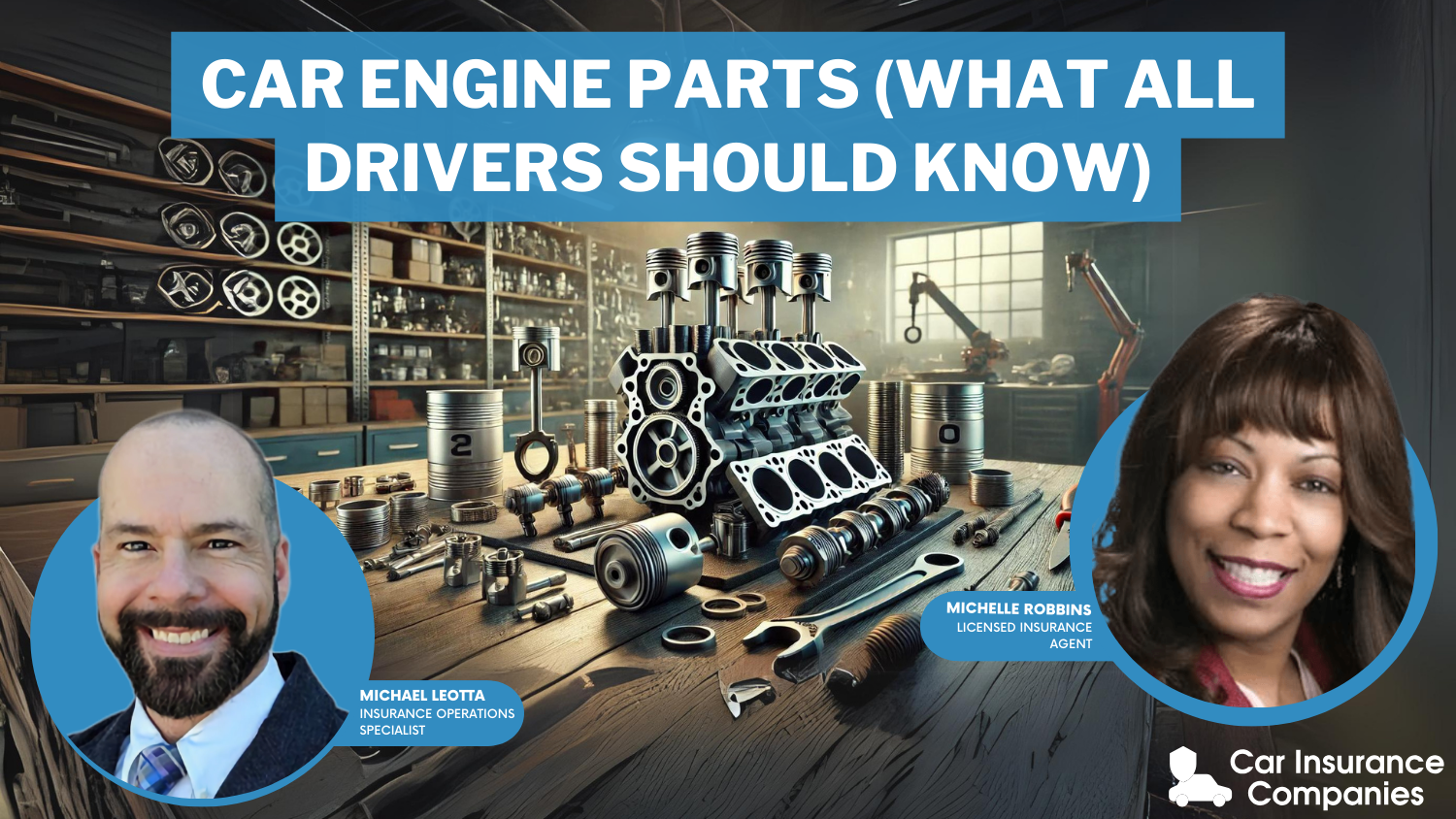
The crankshaft then transforms this motion into rotational energy, driving the wheels. Meanwhile, the camshaft controls the timing of the valves, ensuring proper intake of air and fuel and expelling exhaust gases. Cylinder heads, containing valves and spark plugs, regulate airflow during combustion.
With around 200 parts in a typical engine, understanding the critical components enhances your knowledge of vehicle function. This guide simplifies the complexity of car engines, helping you grasp the engineering behind your car. Enter your zip code below to get a car insurance quote and learn more about protecting your engine.
- Key car engine parts include the camshaft, crankshaft, and pistons
- Understanding around 200 components enhances vehicle maintenance knowledge
- Proper knowledge aids communication with mechanics for better service
The Most Important Car Engine Parts and Their Functions
The average car engine has approximately 200 parts, and understanding all parts of a car engine is essential, which is one of the many reasons why a good mechanic is integral to the longevity of your vehicle.
To get an idea of how your engine works, you don’t need to understand what every part of an engine does. If you can recognize and comprehend the functions of the five most important engine parts, you’ll be well on your way to deducing what makes your car operate.
Before delving into the biggest pieces in your engine, keep in mind that this article is focused on traditional gas-powered vehicles. While diesel and electric engines contain most of the same parts, there could be differences.
Read More:
The Engine Block
While there are many small pieces under the hood, one of the most important is also one of the largest. The engine block is a large piece that contains the pistons and crankshaft, as well as the camshaft in some engines.
Your engine block has holes machined into it that are called cylinders. Depending on the size of your engine, an engine block can consist of anywhere from four to 16 cylinders. Most of the cars you’ll see day-to-day have four, six, or eight cylinders.
Engine blocks come in a few configurations, including inline engines (the cylinders are situated in a line) and V engines (the cylinders form a V arrangement).
Camshaft
The location of your camshaft depends on your car. Some can be found in the engine block, while others are located in the cylinder head. For the most part, camshafts are located in the cylinder heads of modern engines.
The camshaft has a simple job — it converts the rotary motion in your engine into an up-and-down movement. The up-and-down motion controls the lifters in your engine. The lifters are responsible for moving the pushrods, valves, and rockers.
Due to the control centered in the camshaft, it must remain well-supported. Bearings lubricated in oil support the camshaft and ensure that it can do its job for a long time.
Pistons
Pistons are an integral part of the process that enables your car to move. This part of the engine transfers the energy created by the combustion cycle to the crankshaft.
The crankshaft (more on it later) controls the movement of the pistons. With each revolution of the crankshaft, the pistons move up and down twice in the cylinder.
Within each piston are rings that keep everything sealed and control your oil. Friction is the leading destroyer of pistons, but modern pistons are coated in a frictionless material that extends their lives.
Cylinder Head
Cylinder heads are slightly more complicated than some of the other significant pieces in the engine. Your cylinder head includes parts like valves and valve springs, lifters, rockers, pushrods, and occasionally the camshaft.
Aside from containing valuable pieces of your engine, it also controls the passage of airflow into your cylinders. Additionally, it moves air through the exhaust passages to remove built-up gases from your machine.
Cylinder heads are carefully bolted to your engine and sealed with head gaskets. While some parts of your engine wear down slowly, head gaskets are frequently a sign of trouble.
Crankshaft
As you read in the pistons section, the crankshaft is essential to get your car moving. The crankshaft is located in the engine block, in something called a crankshaft journal.
Your crankshaft is a finely tuned and balanced part attached to your pistons by a connecting rod. You already know that the crankshaft moves the piston — the crankshaft rotates at the speed of the engine.
Free Insurance Comparison
Compare Quotes From Top Companies and Save
Other Important Parts of the Engine
If you want to learn about engine parts, the above five are a great place to start. However, if you want to delve a little deeper, the following components are also important:
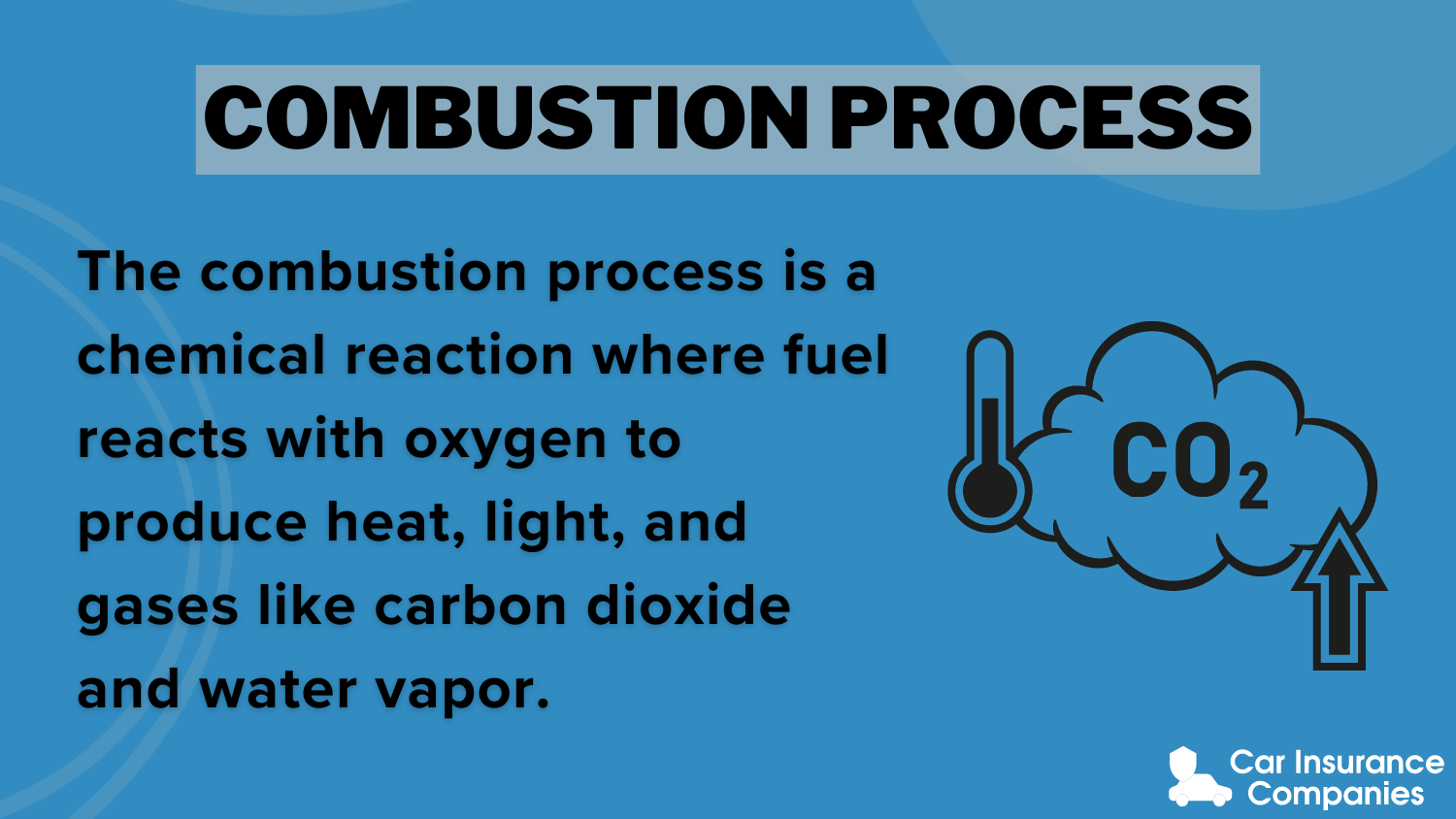
- Combustion Chamber: This is where fuel combines with air, pressure, and electricity to create the explosive reaction that defines the combustion process. This process drives the pistons up and down, which allows your car to move.
- Valvetrain: You already know about valves letting air in and exhaust out. The valvetrain controls the movement of those valves.
- Timing Chain: The timing chain connects the camshaft and the crankshaft. The connection between the two shafts through the timing shaft ensures that various actions happen when they should, without which the engine wouldn’t function correctly.
- Rocker Arms: Rocker arms work with cams in the camshaft to allow air into and exhaust out of the valve system.
- Fuel Injectors: As you probably know — because you probably spend a portion of your paycheck on gas — your engine needs fuel. The fuel injectors have a simple job — they inject fuel into your fuel system.
- Pushrods and Lifters: Some camshaft lobes don’t touch rocker arms. In engines that have this configuration, pushrods or lifters take the place of the valve system.
- Spark Plugs: Each cylinder has a spark plug which creates the spark during the combustion process required to create an explosion.
This extended list of engine parts provides a better picture of how your vehicle works. However, many more parts help your car run. To learn everything, you’d need a list of car engine part names with pictures.
Read More:
How a Car Engine Works
It’s one thing to know the parts of your engine, but that doesn’t explain the whole process of how your car operates. Automobiles use a four-stroke combustion process to move, which is explained below:
- Intake: In the first step of the combustion process, the intake valve opens and the piston moves downward. This process allows air and fuel into the engine.
- Combustion: Next, the piston moves upward and compresses the air and gas into a small space. The smaller the space, the bigger the upcoming explosion will be.
- Combustion: Once the air and fuel are compressed, the spark plug creates a spark. That spark creates an explosion, which pushes the piston downward.
- Exhaust: Finally, the exhaust valve opens and removes the waste products of the explosion to prevent buildup. The exhaust is cleaned in the catalytic converter, pushed through the muffler, and released through the tailpipe.
This is a simplified explanation of how your engine works. As you can see, your car engine is a complex machine with plenty of parts that can malfunction. This is where a good mechanic and full insurance coverage are valuable.
If you’re involved in an accident, the delicate system in your engine can easily malfunction. Engine repairs run an average of $3,000. However, collision and comprehensive insurance will help pay for the repairs to your vehicle.
Read More:
- Will car insurance cover rim damage? [Rates, Repair Cost, + More]
- Does car insurance cover paintless dent repair?
- Does car insurance cover rock damage?
Where to Buy Car Engine Parts
When it’s time to replace or upgrade your car engine parts, choosing the right supplier is key. There are various options depending on whether you’re looking for brand-new, aftermarket, or used components.
Online Retailers
Websites like Amazon, AutoZone, and RockAuto offer a wide selection of engine parts. These platforms allow you to easily compare prices and read reviews, helping you find the best deals and quality. Additionally, many online stores provide warranties and easy return policies.
Local Auto Parts Stores
Retail chains such as NAPA Auto Parts and O’Reilly Auto Parts are trusted sources of engine components. Shopping in-store gives you the advantage of expert advice from staff who can guide you in selecting the right parts for your vehicle model.
Specialty Shops and Salvage Yards
If you’re seeking rare or specific components, especially for older vehicles, specialty shops or salvage yards may have what you need. These options can be cost-effective and sustainable, especially for harder-to-find parts.
Best Online Car Parts Sites: Comparison Guide
| Auto Parts Site | Key Features | Best For |
|---|---|---|
| Advance Auto Parts | Free shipping, rewards program | Loyalty Benefits |
| Amazon Automotive | Wide variety, customer reviews | Quick Comparison |
| AutoZone | In-store pickup, online discounts | Easy Access |
| CarParts.com | Fast shipping, user-friendly interface | Quick Delivery |
| eBay Motors | New and used parts, auction options | Rare and Hard-to-Find Parts |
| NAPA Auto Parts | Quality OEM parts, nationwide locations | Brand Reliability |
| O'Reilly Auto Parts | Local store support, professional tools | Professional Assistance |
| Parts Geek | Discounted prices, large inventory | Budget-Friendly Options |
| Pep Boys | Installation services, tire sales | In-Person Services |
| RockAuto | Extensive inventory, competitive prices | Wide Selection |
By knowing where to source reliable engine parts, you can make cost-effective and informed decisions. Whether online or in-store, the key is to verify the part’s compatibility and ensure quality.
Read More:
- Does auto insurance cover aftermarket parts?
- How to Buy a Car: Top Tips When Shopping for a New Vehicle
- The Best Classic Car Auctions Online
Free Insurance Comparison
Compare Quotes From Top Companies and Save
Find the Best Insurance to Protect Your Engine
While multiple pieces make your engine work, the most important five are the crankshaft, camshaft, pistons, engine block, and cylinder head. The process of getting your car moving when you push the accelerator is complicated but, hopefully, you have a better understanding.
Understanding the parts of a car engine is essential for effective maintenance. Each component, from the camshaft to the crankshaft, plays a crucial role in your vehicle's performance.
Tracey L. Wells Licensed Insurance Agent & Agency Owner
If you want to protect all your car engine parts, you can compare car insurance companies and rates that will help keep your engine running smoothly. Enter your zip below to get started.
Frequently Asked Questions
What is the importance of knowing car parts?
Understanding the parts of a car engine helps identify potential issues before they lead to a breakdown of an engine. This knowledge also enables you to communicate more effectively with mechanics and make informed decisions regarding vehicle maintenance. Read our “Does car insurance cover transmission repair?” for more details.
What are the 4 basic parts of a motor?
The 4 basic parts of a car engine are the engine block, pistons, crankshaft, and camshaft. These main parts of a car engine work together to convert fuel into motion and power the vehicle.
What are the 3 engine parts?
Three critical parts of the car engine include the pistons, crankshaft, and cylinder head. These car engine components are essential to the combustion process and the engine’s overall function.
What is the basic engine system?
The basic parts of a vehicle engine system include the intake, fuel, exhaust, and ignition systems. Each plays a vital role in the efficient operation of the vehicle by ensuring proper combustion and exhaust of gases. Enter your ZIP code below for personalized information.
How do you learn about car engines?
To learn about car engines and parts, start by familiarizing yourself with the basic components, such as the pistons, camshaft, and crankshaft. Reading manuals, watching tutorials, and hands-on experience will deepen your understanding of engine functions. Check out our article on whether a vehicle recovery system impacts insurance prices.
What is the most crucial part of a car?
The engine block is considered one of the most crucial parts of a car because it houses many essential components and serves as the foundation of the engine. Without it, the other vehicle engine parts cannot function properly.
What is the powerful part of the car engine?
The combustion chamber is the most powerful part of the car engine, where fuel and air mix and ignite to create the explosive force that drives the pistons and powers the vehicle.
Which fluid is essential for keeping the engine cool?
Coolant is the essential fluid that helps keep the engine cool by circulating through the engine block and other parts to prevent overheating and ensure optimal performance. For more information on protecting your vehicle, check out our article “Will car insurance cover electrical fire?”
What are the fundamentals of the engine?
The fundamentals of an engine include understanding its main parts such as the engine block, pistons, crankshaft, and camshaft, and how these components work together in the combustion process to generate power.
How often should I replace the coolant?
Coolant should typically be replaced every 30,000 to 50,000 miles, or about every 2 to 5 years, depending on your vehicle’s manufacturer recommendations. Regularly checking the coolant level and quality is essential, as neglecting to replace old coolant can lead to engine overheating and engine breakdown. Always consult your car’s manual for the specific maintenance schedule for your vehicle and to know how cars work.
Related Articles





Get a FREE Quote in Minutes
Insurance rates change constantly — we help you stay ahead by making it easy to compare top options and save.