

What does car insurance cover?
Curious about car insurance coverage? This article explains what does car insurance cover, providing a comprehensive overview of the various types of coverage and their benefits. Get the answers you need to make informed decisions about your car insurance policy.
Read more





Find the Lowest Car Insurance Rates Today
Quote’s drivers have found rates as low as $42/month in the last few days!




Table of Contents
Table of Contents

Expert Insurance Writer
Merriya Valleri is a skilled insurance writer with over a decade of professional writing experience. Merriya has a strong desire to make understanding insurance an easy task while providing readers with accurate and up-to-date information. Merriya has written articles focusing on health, life, and auto insurance. She enjoys working in the insurance field, and is constantly learning in order to ...
Merriya Valleri

Licensed Insurance Agent
Ty Stewart is the founder and CEO of SimpleLifeInsure.com. He started researching and studying about insurance when he got his first policy for his own family. He has been featured as an insurance expert speaker at agent conventions and in top publications. As an independent licensed insurance agent, he has helped clients nationwide to secure affordable coverage while making the process simpl...
Ty Stewart
Updated November 2024
Car insurance is an essential aspect of owning and operating a vehicle. It provides financial protection in the event of accidents, damage, or theft. Understanding what car insurance covers is crucial for every driver.
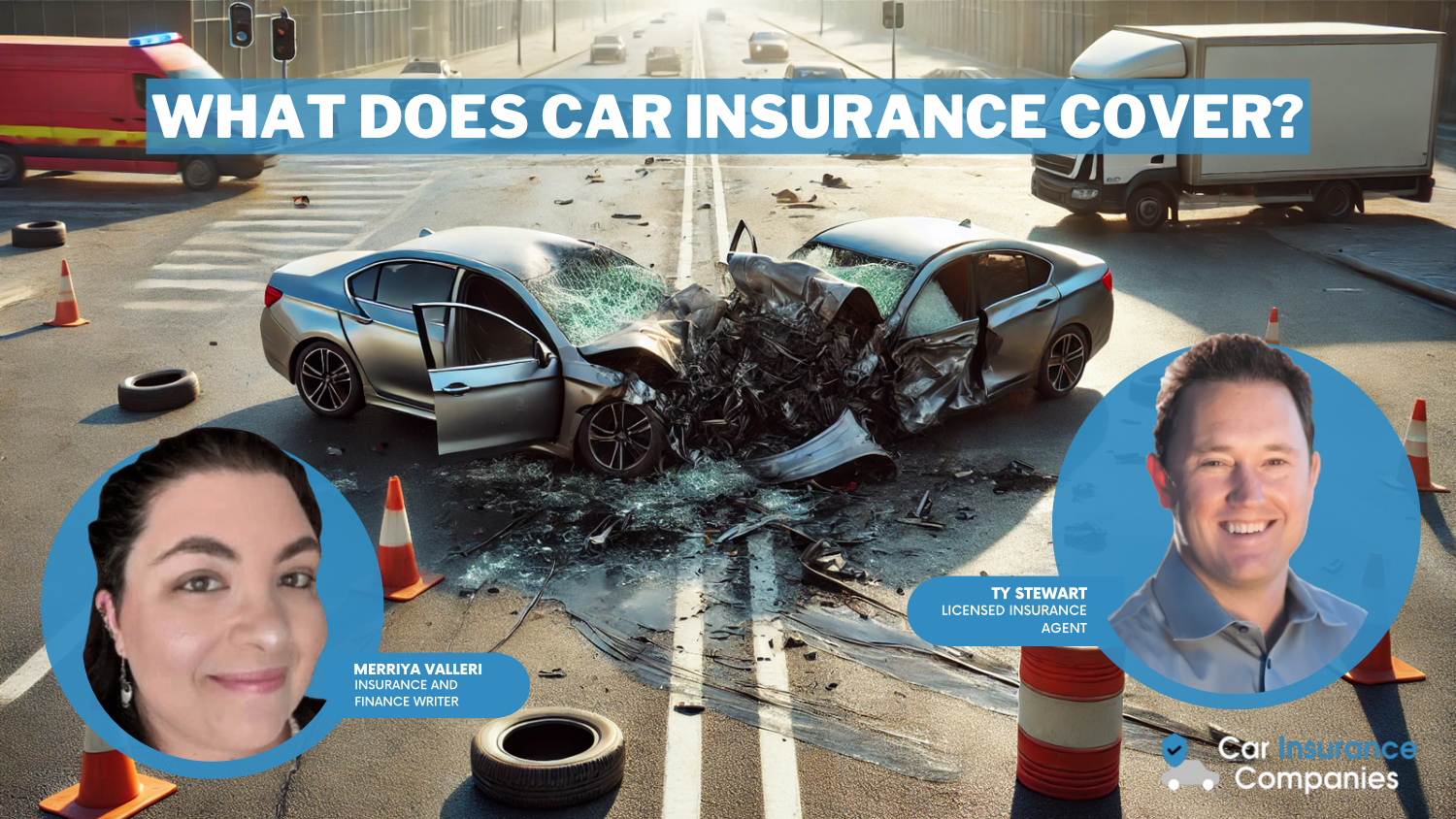
Understanding The Basics Of Car Insurance
Car insurance is a contract between the policyholder and the insurance company. It protects the driver against financial loss in the event of damage to the vehicle or injuries sustained in an accident. Car insurance coverage can vary depending on the policy you choose and the options available from your insurance provider.
The Importance Of Car Insurance
Car insurance is vital because it offers financial protection in case of an accident or damage to your vehicle. In many states, it is mandatory to have car insurance to legally operate a vehicle. Without insurance, you could face severe financial consequences if you are involved in an accident.
Not only does car insurance provide financial protection, but it also offers peace of mind. Knowing that you have coverage in place can alleviate the stress and worry that comes with driving on busy roads. Whether it’s a minor fender bender or a major collision, having car insurance ensures that you won’t be left with a hefty bill to repair your vehicle or cover medical expenses.
Additionally, car insurance can provide assistance beyond just covering damages. Some policies offer roadside assistance, which can be a lifesaver if you find yourself stranded with a flat tire or a dead battery. This added benefit can save you time and money by providing services like towing, fuel delivery, and even locksmith services.
Different Types Of Car Insurance
There are several types of car insurance coverage options available to drivers. Understanding these options can help you make an informed decision when choosing the right policy for your needs.
- What does car insurance cover?
- Scratch and Dent Car Insurance Coverage in 2026 (Protection Details)
- Can someone drive my car and be covered on my insurance?
- Does car insurance cover paintless dent repair?
- Does insurance cover restoring cars?
- How many tires does insurance cover?
- What should you do if someone scratches your car while parked?
- Does insurance cover flat tires?
- How much does air bag replacement cost?
- Does insurance cover towing a car?
- Does Geico cover towing?
- Does Geico cover rental cars?
- Does insurance cover catalytic converter theft?
- Does Geico cover windshield replacement?
- Do car insurance companies cover DUI accidents?
- Does my car insurance cover me on a motorcycle? (2026 Coverage Explained)
- Does insurance cover a mower hitting my car with a rock?
- Does car insurance cover a new battery?
- Will car insurance cover rim damage? [Rates, Repair Cost, + More]
- Does my car insurance cover rust damage?
- Does car insurance cover road debris?
- Does my car insurance cover accidents on private property?
- New car replacement coverage — is it worth it?
- Does car insurance cover transmission repair?
- Does car insurance cover mechanical problems?
- If I hit a pole, will insurance cover it?
- Does my car insurance cover a locksmith?
- Does car insurance cover an ambulance?
- Does car insurance cover a bike accident?
- Does my car insurance cover personal injury claims?
- Does car insurance cover broken windows?
- How much does insurance cover in an accident?
- Does car insurance cover rock damage?
- Does car insurance cover slashed tires?
- Does car insurance pay for paint jobs?
- Does my car insurance cover hitting a dog?
- Can I drive my mother’s car without my own insurance?
- Will car insurance cover electrical fire?
- Are items stolen from your car covered by insurance?
- Does my car insurance cover me in other cars?
- Will my car insurance cover lost keys?
- What does an insurance company do when your car is stolen?
- Will my car insurance cover towing?
- What does non-owners car insurance cover?
- Do I need full coverage insurance on my used car?
- What does full coverage car insurance include?
- Is a boat covered by car insurance when being towed?
- Does Progressive car insurance cover towing of broken-down vehicle?
- Does car insurance cover a car seat?
- Insurance FAQs
- How does road rage affect your driving skills and judgment?
- How to Remove a Car from Insurance
- Do car insurance companies check employment status?
- Can I get car insurance without registration?
- I’ve Forgotten Who My Car Insurance Company Is… Help!
- Can police see if you don’t have car insurance?
- How do I check if a car has insurance?
- Do car insurance companies check grades?
- Do car insurance companies check your address?
- How do I find out my car insurance claim history?
- Do I need car insurance to cross the border?
- Can I get car insurance with a foreign driver’s license? (2026 Insurance Rules)
- Can I use a P.O. Box for my car insurance?
- Can car insurance companies check phone records? (2026 Laws)
- How long should I keep car insurance documents?
- Does a co-signer have to be on the car insurance policy?
- How can I find out my car insurance company?
- What’s considered a sports car for insurance purposes?
- What is a policy number for car insurance?
- Does getting a car insurance quote lower my credit score?
- Do you need a drivers license to get car insurance?
- Do car insurance and registration address have to match?
- Can I tow my car with no insurance?
- Can my car insurance overlap with another policy? (2026 Coverage Details)
- How does a car’s expired registration and safety inspection affect car insurance?
- Can I get cheap car insurance with bad credit?
Liability coverage is mandatory in most states and pays for injuries or damages to others if you are at fault in an accident. It includes two components: bodily injury liability and property damage liability. Bodily injury liability covers medical expenses, lost wages, and legal fees if you injure someone in an accident. Property damage liability covers the cost of repairing or replacing someone else’s property, such as their vehicle or a fence.
Comprehensive coverage protects against damage to your vehicle that is not caused by a collision. It covers events such as theft, vandalism, fire, natural disasters, and falling objects. For example, if your car is stolen or damaged in a hailstorm, comprehensive coverage can help cover the cost of repairs or replacement.
Collision coverage covers damage to your vehicle caused by a collision with another vehicle or an object. Whether it’s a minor fender bender or a major accident, collision coverage can help cover the cost of repairing or replacing your vehicle. This coverage is especially important if you have a newer or more expensive car that would be costly to repair or replace out of pocket.
Uninsured and underinsured motorist coverage provides protection if you are involved in an accident with a driver who does not have insurance or has insufficient coverage. If you are hit by an uninsured or underinsured driver, this coverage can help pay for your medical expenses, lost wages, and other damages that the at-fault driver would typically be responsible for.
Personal injury protection (PIP) or medical payments coverage pays for medical expenses resulting from injuries sustained in an accident, regardless of who is at fault. This coverage can help cover hospital bills, doctor visits, medication costs, and even rehabilitation expenses. It provides peace of mind knowing that you won’t have to worry about medical bills piling up if you’re injured in a car accident.
When choosing car insurance, it’s important to assess your needs and consider the level of coverage that provides adequate protection. Factors such as your driving history, the value of your vehicle, and your budget should all be taken into account. By understanding the basics of car insurance and the different coverage options available, you can make an informed decision that suits your specific needs.
Free Insurance Comparison
Compare Quotes From Top Companies and Save
Comprehensive Coverage Explained
Comprehensive coverage is one of the essential components of car insurance. It offers protection for your vehicle against events that are beyond your control.
When it comes to safeguarding your car, comprehensive coverage acts as a shield against a wide range of potential risks. While collision coverage protects your vehicle in the case of an accident with another vehicle or object, comprehensive coverage steps in to cover damages caused by incidents other than collisions.
So, what exactly does comprehensive coverage include? Let’s dive deeper into the details.
What Is Comprehensive Coverage?
Comprehensive coverage is designed to cover the damages to your vehicle that occur due to incidents other than collisions. These incidents may include theft, vandalism, fire, natural disasters, and falling objects.
Imagine waking up one morning to find your car missing from its usual parking spot. With comprehensive coverage, you can rest assured knowing that if your vehicle is stolen, you may be eligible for compensation to repair or replace it.
Similarly, if your car falls victim to an act of vandalism, such as key scratches or broken windows, comprehensive coverage can come to the rescue. It provides you with the peace of mind that your insurance policy will help cover the costs of repairing the damages.
Furthermore, comprehensive coverage extends its protective umbrella to shield your vehicle from fire damage. Whether it’s a garage fire or an unfortunate incident where your car catches fire due to a malfunction, comprehensive coverage can help alleviate the financial burden of repairs or replacement.
Additionally, comprehensive coverage safeguards your car against the unpredictable forces of nature. From hailstorms and hurricanes to floods and earthquakes, this type of coverage ensures that your vehicle is protected from the damages caused by severe weather conditions.
Moreover, comprehensive coverage even accounts for unexpected encounters with falling objects. Whether it’s a tree branch or debris from construction sites, if your car is damaged by a falling object, comprehensive coverage can help cover the costs of repairs or replacement.
What Does Comprehensive Coverage Include?
Comprehensive coverage typically includes repairs or replacement for damages caused by theft, vandalism, fire, severe weather, earthquakes, explosions, and contact with animals. It may also cover the cost of a rental car if your vehicle is being repaired due to a covered event.
Imagine you’re on a road trip, enjoying the scenic route when suddenly a deer darts across the road, resulting in a collision. With comprehensive coverage, you can have peace of mind knowing that the damages caused by the impact with the animal may be covered by your insurance policy.
In addition to the protection it offers against various incidents, comprehensive coverage often includes an additional benefit: coverage for a rental car. If your vehicle is undergoing repairs due to a covered event, comprehensive coverage may help cover the cost of a rental car, ensuring that you can continue with your daily activities without any major disruptions.
So, whether it’s protecting your car from theft, vandalism, fire, natural disasters, or even animal encounters, comprehensive coverage plays a crucial role in ensuring that you have the necessary financial support when unexpected incidents occur.
Collision Coverage Uncovered
Collision coverage is an important aspect of car insurance that protects your vehicle if it is damaged in a collision with another vehicle or object.
When it comes to protecting your vehicle, collision coverage is a crucial component of your car insurance policy. It provides compensation for damages caused by a collision with another vehicle or object, regardless of who is at fault. This means that even if you are involved in an accident where you are deemed responsible, collision coverage will still cover the cost of repairing or replacing your vehicle.
Defining Collision Coverage
Collision coverage is an optional type of car insurance coverage that provides compensation for damages to your vehicle caused by a collision with another vehicle or object, regardless of who is at fault. This coverage is particularly beneficial if you live in an area with a high volume of traffic or if you frequently drive in congested areas where accidents are more likely to occur.
When you opt for collision coverage, you are ensuring that you have financial protection in case your vehicle sustains damage in a collision. Without this coverage, you would be responsible for covering the repair or replacement costs out of your own pocket, which can be a significant financial burden.
What Is Covered Under Collision Coverage?
Collision coverage typically covers repairs or replacement for damages caused by accidents with other vehicles, hitting an object such as a tree or fence, or rollovers. This means that if you accidentally collide with another car while changing lanes or if you accidentally hit a lamppost while parking, your collision coverage will step in to cover the cost of repairs.
Additionally, collision coverage may also include towing expenses and rental car reimbursement if your vehicle needs repairs. This ensures that you have a means of transportation while your car is being fixed, minimizing any inconvenience caused by the accident.
It is important to note that collision coverage does not cover damages caused by non-collision incidents, such as theft, vandalism, or natural disasters. For these types of damages, you would need to have comprehensive coverage in place.
When deciding whether to add collision coverage to your car insurance policy, it is important to consider the value of your vehicle. If your vehicle is older or has a low market value, the cost of collision coverage may outweigh the potential benefit. However, if you have a newer or more expensive vehicle, collision coverage can provide you with peace of mind knowing that you are financially protected in the event of a collision.
Liability Coverage: What You Need To Know
Liability coverage is a crucial component of car insurance that protects you financially if you cause an accident.
When it comes to car insurance, liability coverage is a term that you may have come across. But what exactly does it mean? Well, let’s dive deeper into understanding liability coverage and its importance.
Understanding Liability Coverage
Liability coverage is the part of your car insurance policy that pays for injuries or damages to others if you are at fault in an accident. It acts as a shield, safeguarding your finances in case you find yourself in a situation where you are responsible for causing harm or damage to someone else.
Imagine this scenario: you’re driving down the road, and suddenly, you lose control of your car and collide with another vehicle. The accident results in significant injuries to the occupants of the other car, as well as substantial damage to their vehicle. Without liability coverage, you would be personally responsible for paying for their medical expenses, lost wages, and vehicle repairs or replacement. However, with liability coverage in place, your insurance company steps in and covers these costs on your behalf, up to the limits of your policy.
What Is Included In Liability Coverage?
Bodily injury liability coverage is one of the main components of liability coverage. It pays for medical expenses, lost wages, and other damages if someone is injured or killed in an accident where you are at fault. This coverage not only takes care of the injured party’s immediate medical needs but also helps compensate for any future medical treatments or rehabilitation they may require.
Furthermore, bodily injury liability coverage also provides financial protection in case a lawsuit is filed against you as a result of the accident. It can help cover legal fees, settlements, or judgments that may arise from such a situation.
On the other hand, property damage liability coverage is the second component of liability coverage. It pays for the repair or replacement of other people’s property if you cause damage with your vehicle. For example, if you accidentally crash into someone’s fence, this coverage will come into play and cover the costs of repairing the damage.
Property damage liability coverage not only includes damages to other vehicles but also extends to other types of property, such as buildings, fences, or even utility poles. It ensures that you are not financially burdened with the expenses of repairing or replacing someone else’s property due to an accident that was your fault.
Having liability coverage is not only a legal requirement in many states but also a sensible financial decision. It offers you peace of mind, knowing that if an unfortunate event occurs, your insurance company will be there to protect you and handle the financial repercussions. Remember, accidents happen, and being prepared with the right coverage can make all the difference.
Free Insurance Comparison
Compare Quotes From Top Companies and Save
Uninsured And Underinsured Motorist Coverage
Uninsured and underinsured motorist coverage is an essential part of car insurance that protects you if you are involved in an accident with an uninsured or underinsured driver.
The Importance Of Uninsured Motorist Coverage
Uninsured motorist coverage provides compensation for your injuries and property damage if you are involved in an accident with a driver who doesn’t have insurance. It ensures that you are not left to bear the financial burden of medical expenses and repairs in such situations.
How Underinsured Motorist Coverage Works
Underinsured motorist coverage comes into play when you are involved in an accident with a driver who has insurance but carries coverage limits that are insufficient to fully compensate you for your injuries or damages. It covers the gap between the at-fault driver’s insurance coverage and the actual cost of your injuries or damages.
Personal Injury Protection (Pip) And Medical Payments Coverage
Personal Injury Protection (PIP) and Medical Payments coverage provide protection for medical expenses resulting from injuries sustained in a car accident.
An Overview Of Personal Injury Protection
Personal Injury Protection (PIP) is a type of car insurance coverage that pays for medical expenses, lost wages, and other related costs resulting from injuries sustained in an accident, regardless of who is at fault.
Understanding Medical Payments Coverage
Medical Payments coverage, also known as MedPay, covers medical expenses for the driver and passengers in your vehicle when they are injured in an accident.
Extras: Rental Reimbursement, Roadside Assistance, And More
In addition to the core coverage options, car insurance policies often offer additional extras that provide added convenience and peace of mind.
The Benefits Of Rental Reimbursement
Rental reimbursement coverage helps cover the cost of a rental car while your vehicle is being repaired due to a covered event. This coverage can save you money and ensure you have a means of transportation during the repair process.
Why Consider Roadside Assistance?
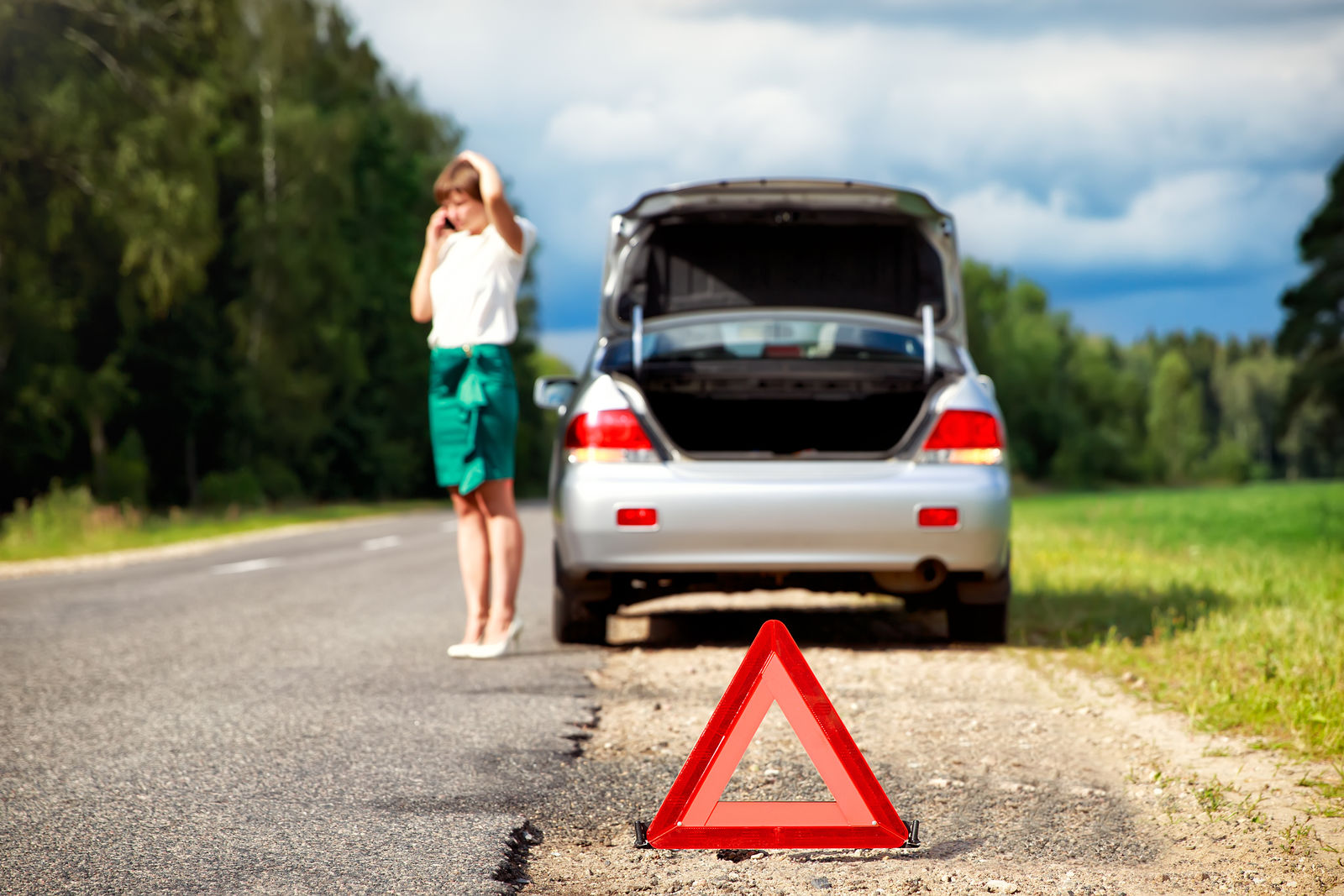
Roadside assistance is a valuable add-on to car insurance policies. It provides help in emergency situations such as a flat tire, dead battery, or lockout. With roadside assistance, you can have peace of mind knowing that help is just a phone call away.
Free Insurance Comparison
Compare Quotes From Top Companies and Save
How To Choose The Right Car Insurance Coverage
Choosing the right car insurance coverage can be overwhelming, but it is crucial to have adequate protection. Consider the following factors to make an informed decision.
Factors To Consider When Choosing Car Insurance
When selecting car insurance coverage, factors such as your driving habits, the value of your vehicle, your budget, and the legal requirements in your state should be taken into account.
Tips For Comparing Car Insurance Policies
Comparing car insurance policies can help you find the best coverage at the most affordable price. Consider factors such as coverage limits, deductibles, discounts, and customer reviews when comparing different policies from various insurance providers.
By understanding the basics of car insurance and the different coverage options available, you can choose the right policy that provides the necessary protection for you and your vehicle. Remember to regularly review and update your car insurance coverage to ensure you are adequately protected in all situations.
Frequently Asked Questions
What is car insurance coverage?
Car insurance coverage refers to the types of protection provided by an insurance policy to help cover the costs associated with damage or loss to your vehicle or others involved in an accident.
What does liability coverage in car insurance cover?
Liability coverage in car insurance covers the costs of injuries or property damage you cause to others in an accident. It typically includes both bodily injury liability and property damage liability.
What does collision coverage in car insurance cover?
Collision coverage in car insurance covers the costs of repairing or replacing your own vehicle if it is damaged in a collision, regardless of who is at fault.
What does comprehensive coverage in car insurance cover?
Comprehensive coverage in car insurance covers the costs of damage to your vehicle caused by non-collision events, such as theft, vandalism, fire, natural disasters, or hitting an animal.
Does car insurance cover medical expenses?
Yes, car insurance can cover medical expenses depending on the policy. Personal injury protection (PIP) or medical payments coverage can help pay for medical bills for you and your passengers, regardless of who is at fault.
Does car insurance cover rental cars?
Car insurance policies may offer rental car coverage as an optional add-on. This coverage can help pay for a rental car while your vehicle is being repaired after an accident.
What factors can affect the cost of car insurance coverage?
Several factors can affect the cost of car insurance coverage, including your age, driving record, location, type of vehicle, coverage limits, deductibles, and any additional optional coverage you choose.
Related Articles



Get a FREE Quote in Minutes
Insurance rates change constantly — we help you stay ahead by making it easy to compare top options and save.